
Have you ever looked at a recipe, food label, or drink container and wondered, “How much is 8 oz?” Understanding ounces can be confusing, especially when you’re trying to picture the actual amount without using measuring tools.
The good news is that 8 oz is one of the most common measurements used in cooking, baking, nutrition, and everyday life. Once you learn a few simple comparisons, you’ll be able to estimate 8 ounces almost instantly.
For liquids:
For weight:
In this guide, you’ll discover what 8 oz means, how it looks visually, common objects that are about 8 oz, conversion charts, and practical ways to measure it without special tools.
What Does 8 oz Mean?
The abbreviation “oz” stands for ounces. Ounces are commonly used in the United States to measure both weight and liquid volume.
This is where many people get confused because there are two different types of ounces.
Fluid Ounces
Fluid ounces measure volume, meaning the amount of space a liquid occupies.
Examples include:
- Water
- Milk
- Juice
- Coffee
- Soft drinks
Weight Ounces
Regular ounces measure weight.
Examples include:
- Meat
- Cheese
- Butter
- Vegetables
- Fruits
Even though both use the term “ounces,” they are not always interchangeable.
Understanding this difference is important when following recipes or checking nutrition labels.
How Much Is 8 oz Visually?
Many people don’t carry measuring cups throughout the day, so visual comparisons can be incredibly helpful.
When talking about liquids, 8 ounces is equal to one standard measuring cup.
Think about:
- A full measuring cup
- A small glass of water
- A juice box
- A regular coffee serving
These familiar items make it easier to understand what 8 oz actually looks like.
Instead of memorizing numbers, visual references help you estimate measurements naturally.
8 Common Objects That Are About 8 oz
1. One Standard Measuring Cup Of Water
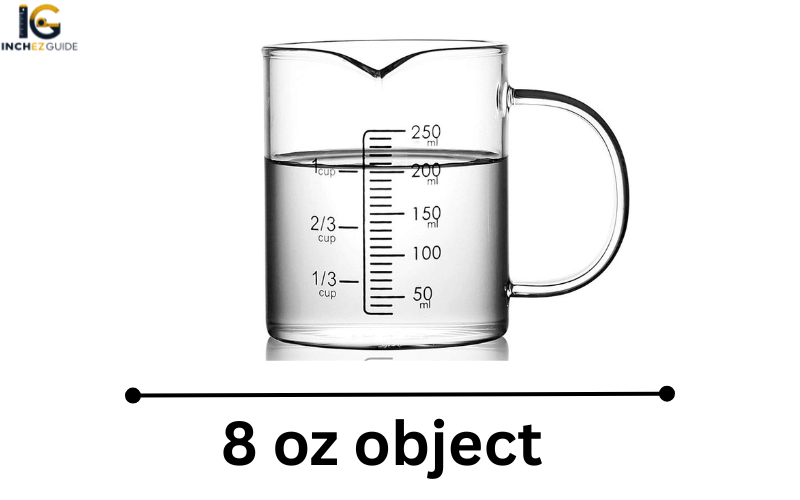
The easiest way to visualize 8 ounces is by looking at a measuring cup.
Most measuring cups used in kitchens are marked with a line showing exactly 8 fluid ounces. When filled to this line, the cup contains one full cup of liquid.
This is the standard measurement used in thousands of recipes.
If you’ve ever baked a cake, made pancakes, or prepared soup, you’ve probably used 8 ounces without even realizing it.
Because measuring cups are standardized, they provide one of the most accurate visual references for understanding 8 oz.
Whenever you think of 8 ounces, imagine a full measuring cup sitting on your kitchen counter.
2. A Small Glass Of Water
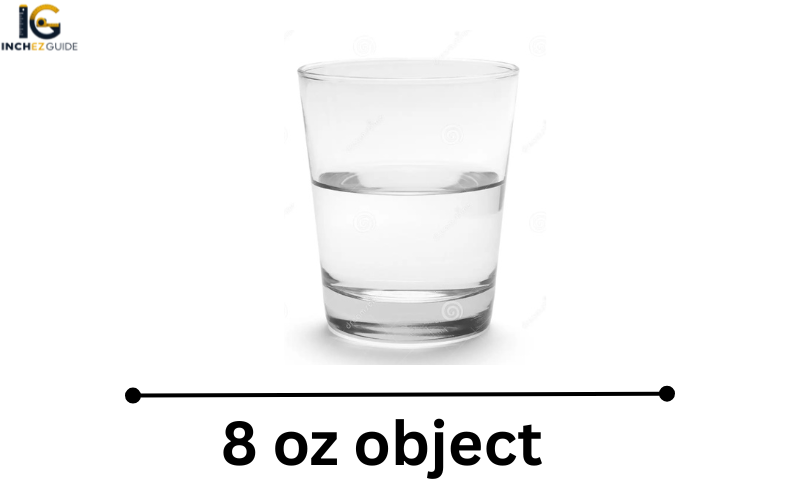
A typical small drinking glass often holds about 8 ounces of water.
While some modern glasses are much larger, traditional household glasses were designed around this serving size.
If you pour water into a smaller glass and fill it close to the top, you’ll likely have around 8 ounces.
This comparison is especially useful because most people drink water daily.
Health experts often recommend drinking multiple 8-ounce glasses of water throughout the day, making this one of the most familiar ounce measurements.
Visualizing a glass of water can instantly help you understand how much 8 oz really is.
3. A Juice Box
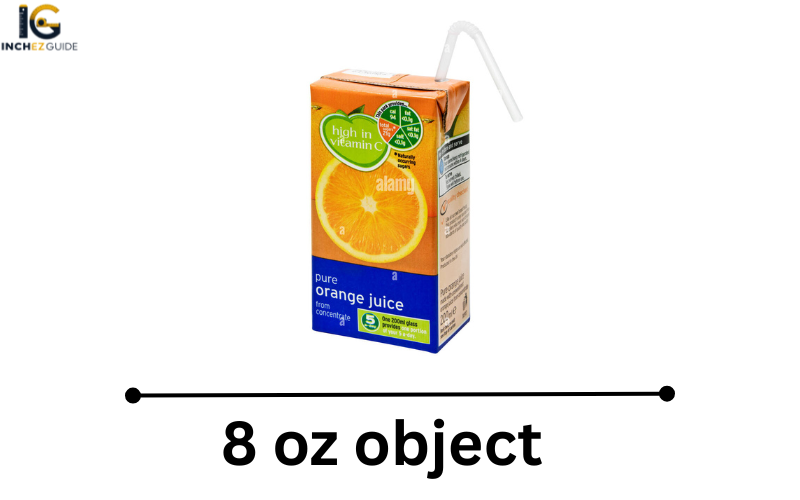
Many juice boxes contain approximately 8 fluid ounces.
These convenient containers are often included in children’s lunches and sold as single-serving beverages.
Because manufacturers design juice boxes for portability and portion control, 8 ounces has become a common package size.
The next time you see a juice box, remember that its contents represent roughly 8 oz.
This makes juice boxes one of the easiest real-life examples of this measurement.
Unlike measuring cups, they’re something many people encounter regularly while shopping or packing meals.
4. A Standard Cup Of Coffee
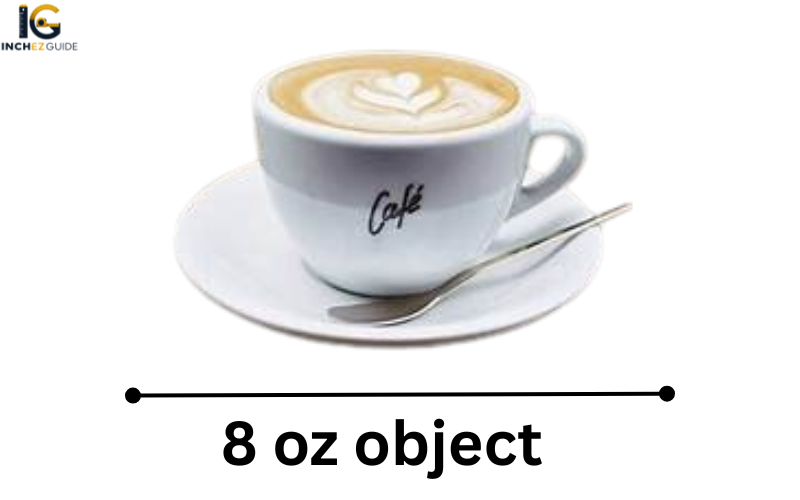
A traditional serving of coffee is often around 8 ounces.
Although coffee shops frequently serve larger sizes today, the original standard coffee cup was designed to hold approximately 8 oz.
This means many coffee makers are calibrated using 8-ounce servings.
If you’ve ever brewed a single cup of coffee at home, there’s a good chance you’ve prepared about 8 ounces.
Coffee provides an excellent visual reference because millions of people drink it every day.
Picture your morning coffee, and you’ll have a good idea of what 8 oz looks like.
5. Two Sticks Of Butter
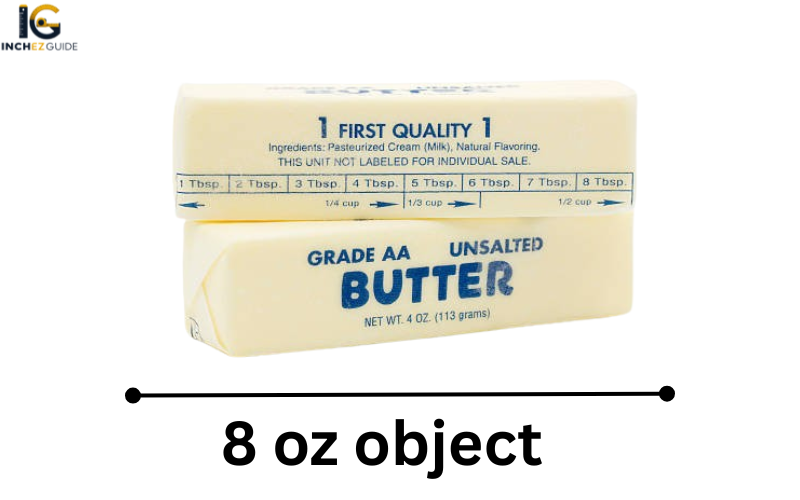
When measuring weight rather than liquid volume, two sticks of butter weigh approximately 8 ounces.
This is a useful comparison because butter is commonly sold in standardized packaging.
A typical stick of butter weighs 4 ounces.
Therefore:
Many baking recipes require butter measurements, making this an especially practical reference.
If you’ve ever baked cookies, cakes, or pastries, you’ve likely handled 8 ounces of butter before.
6. A Half-Pound Hamburger Patty
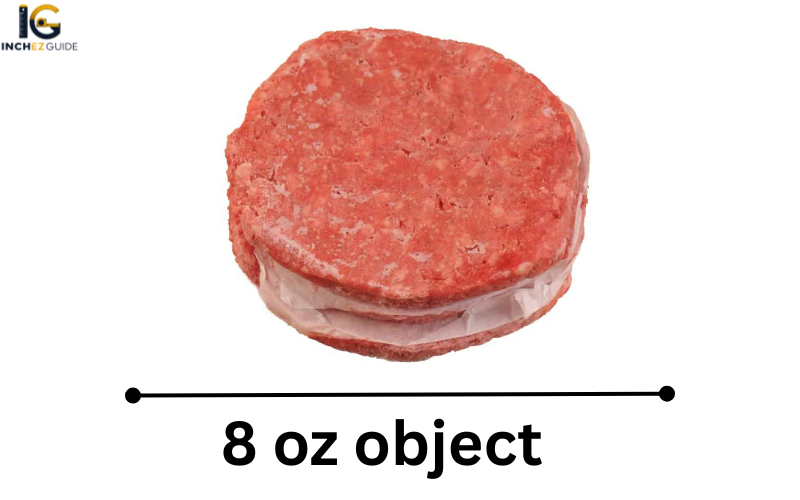
Many restaurant-style hamburger patties weigh around 8 ounces before cooking.
Since 16 ounces equal one pound, an 8-ounce burger represents half a pound.
Large gourmet burgers often use patties in this size range because they create thicker and juicier burgers.
When you order a premium burger at a restaurant, you’re often looking at approximately 8 ounces of meat.
This comparison is particularly useful when thinking about weight rather than liquid volume.
7. A Medium-Sized Apple
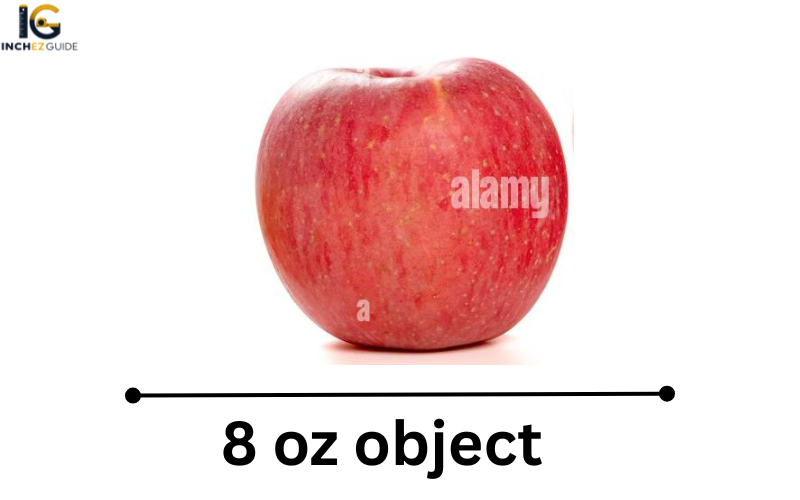
A medium apple often weighs close to 8 ounces.
Although exact weights vary depending on the variety and size, many grocery store apples fall near this measurement.
Because apples are familiar household items, they provide a useful visual reference for understanding ounces by weight.
Imagine holding a medium apple in your hand. That gives you a rough idea of how heavy 8 ounces feels.
This comparison helps connect measurements to everyday experiences rather than abstract numbers.
8. One Cup Of Milk
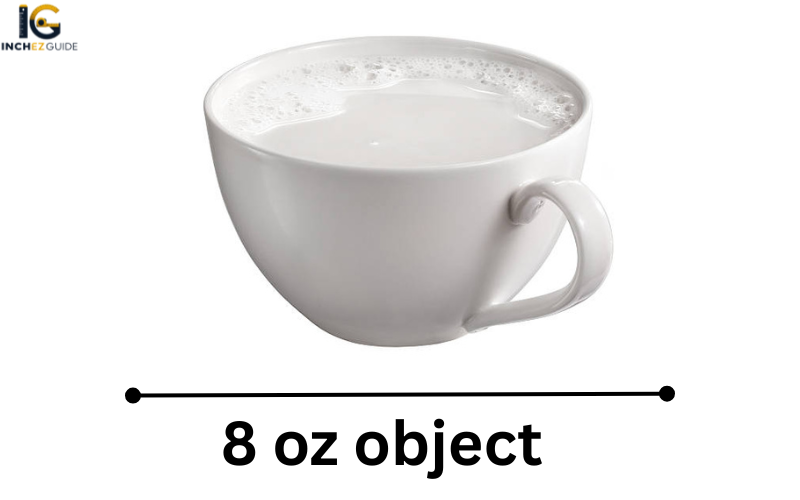
A standard cup of milk equals 8 fluid ounces.
Whether you’re pouring milk into cereal, coffee, or recipes, you’re likely using this measurement regularly.
Milk is one of the most common ingredients measured in cups and ounces.
Because most households keep milk on hand, it serves as a convenient visual comparison.
The next time you fill a measuring cup with milk, you’ll be looking at exactly 8 fluid ounces.
This makes milk one of the most practical examples for understanding ounce measurements.
Why Understanding 8 oz Is Important
Knowing how much 8 oz is can help in many areas of daily life.
Cooking And Baking
Recipes frequently use ounces for ingredients.
Accurate measurements improve consistency and help recipes turn out as intended.
Nutrition Tracking
Food labels often display serving sizes in ounces.
Understanding portions helps manage calorie intake and nutritional goals.
Hydration
Water consumption recommendations often use 8-ounce servings as a reference.
Many people track their daily water intake using this standard measurement.
Shopping
Food products, beverages, and household items often list ounces on their packaging.
Knowing the actual size helps you compare products more effectively.
8 oz To Cups Conversion Chart
Cups are one of the most common volume measurements used alongside ounces.
| Ounces | Cups |
| 4 oz | 1/2 cup |
| 8 oz | 1 cup |
| 12 oz | 1.5 cups |
| 16 oz | 2 cups |
| 24 oz | 3 cups |
| 32 oz | 4 cups |
This conversion is extremely useful when scaling recipes.
8 oz To Milliliters Conversion
Many countries use the metric system instead of ounces.
Here’s how ounces convert to milliliters.
| Fluid Ounces | Milliliters |
| 4 oz | 118 mL |
| 8 oz | 237 mL |
| 12 oz | 355 mL |
| 16 oz | 473 mL |
| 32 oz | 946 mL |
Understanding this conversion is especially helpful when using international recipes.
How To Measure 8 oz Without A Measuring Cup
There may be times when you don’t have measuring tools available.
Fortunately, there are several easy alternatives.
Use A Juice Box
Many juice boxes contain approximately 8 ounces.
Use A Small Drinking Glass
Traditional water glasses often hold around 8 ounces.
Check Beverage Labels
Many bottled drinks clearly display ounce measurements.
Use A Food Scale
For weight measurements, a digital kitchen scale provides accurate results.
These simple methods can help estimate 8 ounces when measuring tools aren’t available.
Common Foods Measured In 8 oz Portions
Many food products are packaged or served in 8-ounce portions.
Examples include:
- Yogurt drinks
- Milk cartons
- Sour cream
- Cream cheese
- Cottage cheese
- Juice servings
- Sports drinks
- Coffee servings
Manufacturers often use 8 ounces because it represents a practical serving size.
8 oz Compared To Other Measurements
Here is a quick comparison chart.
| Measurement | Equivalent |
| 8 oz | 1 cup |
| 8 oz | 236.59 mL |
| 8 oz | 16 tablespoons |
| 8 oz | 48 teaspoons |
| 8 oz | 0.5 pound |
These conversions can save time when cooking or comparing measurements.
Easy Ways To Remember 8 oz
The easiest way to remember 8 ounces is to connect it with objects you already know.
Think of:
- One measuring cup
- One small glass of water
- One juice box
- One cup of coffee
- Two sticks of butter
- Half a pound burger
- One cup of milk
- A medium apple
These visual references make the measurement much easier to remember.
Common Mistakes When Measuring 8 oz
Confusing Weight And Volume
Fluid ounces measure liquid volume.
Regular ounces measure weight.
These measurements are not always equal.
Using Oversized Glasses
Modern drinkware often holds much more than 8 ounces.
Never assume every glass represents one serving.
Ignoring Recipe Units
Always verify whether a recipe refers to fluid ounces or weight ounces.
Small mistakes can significantly affect results.
FAQs
How much is 8 oz in cups?
Eight fluid ounces equals exactly one cup.
Is 8 oz the same as 1 cup?
For liquids, yes. Eight fluid ounces equal one standard cup.
How much is 8 oz in milliliters?
Eight fluid ounces equal approximately 236.59 milliliters.
Is 8 oz half a pound?
Yes. Eight ounces equal one-half pound when measuring weight.
What does 8 oz of water look like?
It looks like a full measuring cup or a small glass of water.
Is 8 oz a lot?
Eight ounces is considered a moderate serving size and is commonly used for beverages and food portions.
See Also: How Much Is 7 Oz
Conclusion
Understanding how much is 8 oz becomes much easier when you compare it with everyday objects. Whether it’s a measuring cup, a small glass of water, a juice box, a coffee serving, or two sticks of butter, these familiar examples help transform a confusing measurement into something easy to visualize.
Whether you’re cooking, baking, shopping, tracking nutrition, or simply trying to understand product labels, knowing what 8 oz looks like can make everyday measurements much simpler. By using the comparisons, conversion charts, and examples in this guide, you can confidently estimate and recognize 8 ounces in daily life.