
Have you ever come across a product labeled as 10 oz and wondered how much it actually is? Whether you’re cooking, shopping, tracking food portions, or comparing product sizes, understanding the size and weight of 10 ounces can be surprisingly helpful.
Many people see ounces listed on food packaging, beverage containers, shipping labels, and household products every day. However, it can be difficult to picture exactly how much 10 oz represents without a scale.
The simple answer is:
While this conversion is useful, numbers alone do not always provide a clear picture. That is why comparing 10 ounces to everyday objects is one of the easiest ways to understand its actual size and weight.
In this guide, you’ll learn what 10 oz means, how it compares to common objects, how to convert it into other units, and why understanding ounce measurements can be useful in everyday life.
What Does 10 Oz Mean?
The abbreviation “oz” stands for ounce, a measurement unit commonly used in the United States and a few other countries that follow the imperial system.
When people talk about 10 oz, they are usually referring to weight. However, ounces can also be used to measure volume in the form of fluid ounces.
For weight measurements, 10 ounces equals:
- 283.5 grams
- 0.625 pounds
- 0.283 kilograms
- 283,500 milligrams
This amount is slightly more than half a pound, making it a relatively light weight that is commonly found in food products, beverages, books, and household items.
How Much Is 10 Oz Visually?
Most people do not carry a scale with them throughout the day. Instead, they estimate weight by comparing items with familiar objects.
Ten ounces is not particularly heavy, but it is enough weight to feel substantial in your hand. Imagine holding a paperback book, a medium sandwich, or a can of soup. These are all objects that often weigh around 10 ounces.
Understanding these comparisons can make it much easier to estimate weight when shopping, cooking, or packing items for shipping.
8 Common Things That Weigh About 10 Oz
1. A Paperback Book
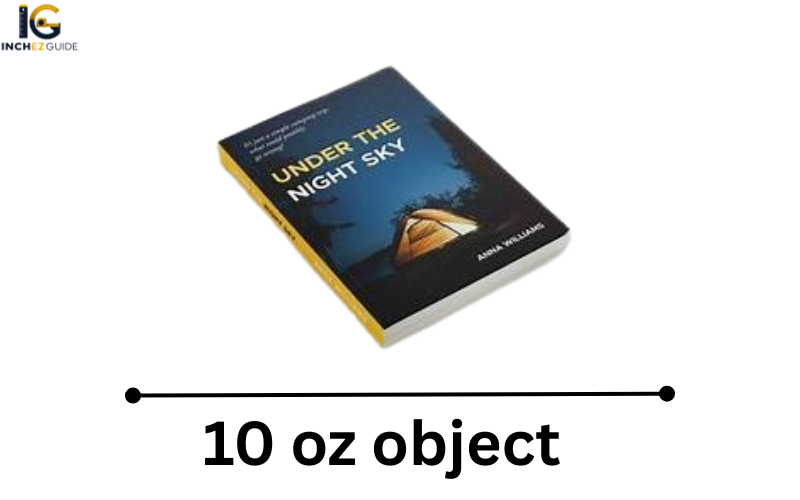
One of the best examples of something that weighs around 10 ounces is a small paperback book.
Many novels, travel guides, and educational books fall within this weight range. When you pick up a paperback book, it feels noticeable in your hand but not heavy enough to cause fatigue after a few minutes of holding it.
Books provide an excellent visual comparison because they are commonly found in homes, schools, offices, and libraries. If you have ever carried a novel in your backpack or held one while reading, you already have a good idea of what 10 ounces feels like.
The next time someone asks how much 10 oz is, simply imagine holding a typical paperback book.
2. Two Medium Apples
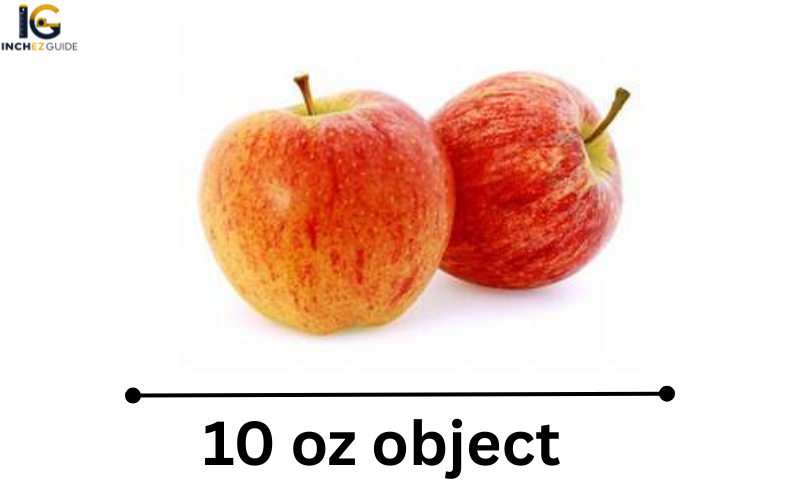
Two average-sized apples together often weigh close to 10 ounces.
Fruit provides a useful comparison because most people regularly buy apples and can easily visualize their size and weight. A single medium apple generally weighs between 4 and 6 ounces, meaning two apples can easily reach the 10-ounce range.
This comparison is especially helpful for people interested in food portions and nutrition. If you are trying to estimate food weight without a scale, apples can provide a practical reference point.
Holding two apples in your hand gives a surprisingly accurate sense of what 10 ounces feels like.
3. A Can Of Soup
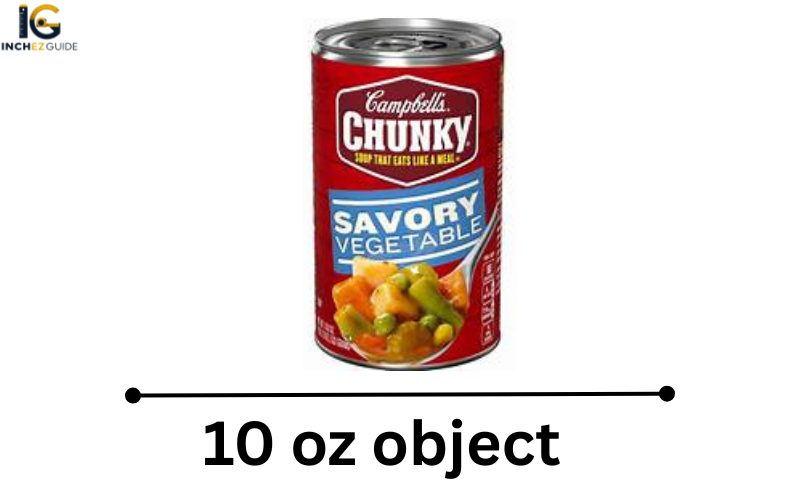
Many canned soups sold in grocery stores weigh approximately 10 ounces.
Because soup is dense and compact, it offers a good representation of how much weight 10 ounces can contain in a relatively small package.
Canned foods are common household items, making them excellent reference objects for understanding ounce measurements. The weight feels substantial but remains easy to carry with one hand.
Whether it contains tomato soup, chicken noodle soup, or vegetable soup, a small can often falls close to the 10-ounce mark.
4. A Large Coffee Drink
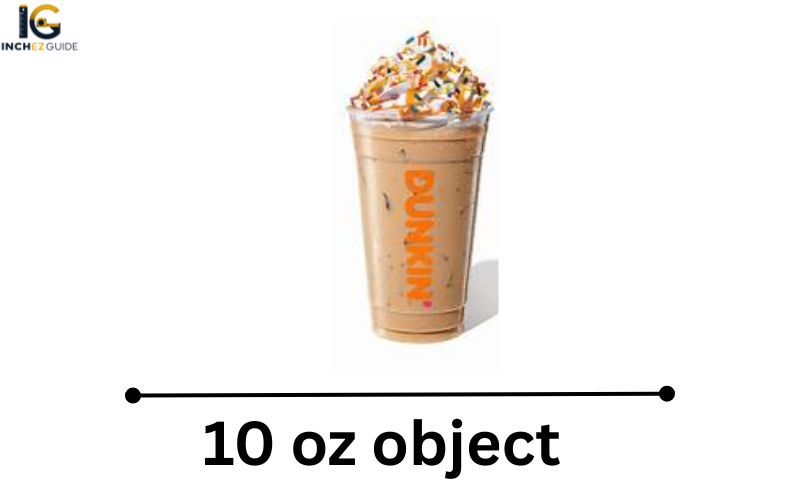
Many coffee shop beverages contain around 10 fluid ounces of liquid.
While fluid ounces measure volume rather than weight, a coffee drink of this size can help visualize the amount represented by 10 ounces.
Think about a medium-sized takeaway coffee cup. It is large enough to provide a satisfying drink but still compact enough to carry comfortably.
Coffee is something many people purchase daily, making it one of the easiest visual references for understanding ounce measurements.
5. A Medium Sandwich
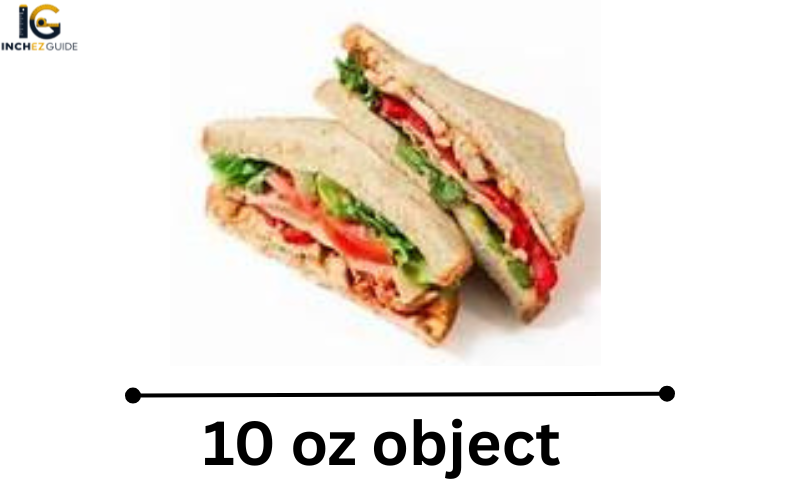
A deli sandwich filled with meat, cheese, vegetables, and bread often weighs around 10 ounces.
Food comparisons are especially useful because they connect measurements to everyday experiences. Most people have eaten sandwiches countless times, making them easy to imagine.
A sandwich weighing 10 ounces feels substantial enough to serve as a meal without being excessively large.
This comparison is particularly helpful when estimating food portions or meal sizes.
6. Three Bars Of Soap
Three standard bars of soap combined often weigh close to 10 ounces.
Soap bars are found in almost every household, making them a convenient weight reference.
When grouped together, their combined weight provides a surprisingly accurate representation of 10 ounces. This example also demonstrates that different objects can have the same weight while taking up different amounts of space.
Although three soap bars occupy less volume than a sandwich, they may weigh almost exactly the same.
7. A Pair Of Running Shoes
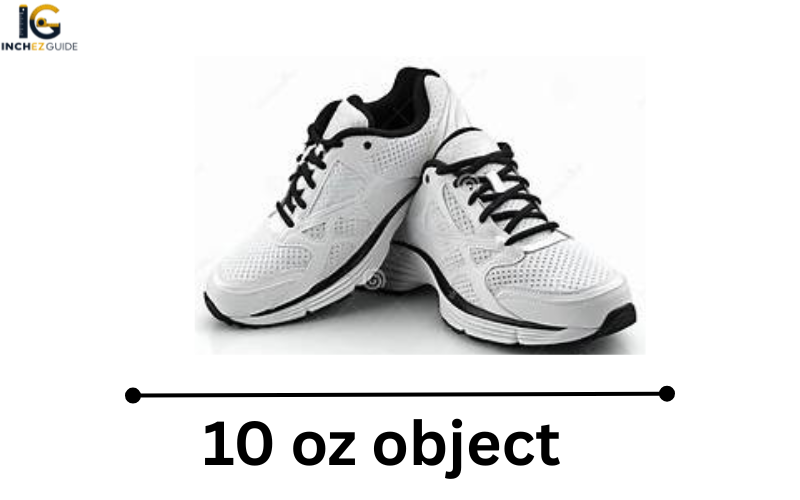
Some lightweight running shoes weigh about 10 ounces each.
Athletic footwear manufacturers frequently advertise shoe weights because lighter shoes are often preferred by runners.
Holding a lightweight running shoe can help you understand the feel of 10 ounces. It is noticeable but far from heavy.
This comparison is particularly useful for athletes and fitness enthusiasts who regularly purchase sports equipment.
8. A Small Bag Of Potato Chips
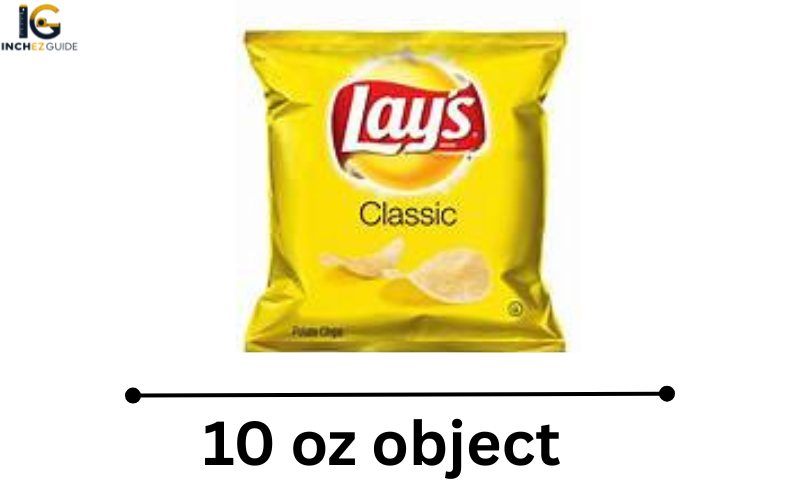
Many family-sized snack bags contain approximately 10 ounces of chips.
Food packaging commonly displays ounce measurements, making snack products useful examples for learning weight estimates.
The bag may appear large because chips contain a lot of air, but the actual food weight often falls near 10 ounces.
This example highlights an important lesson about measurements: two items can weigh the same while looking completely different in size.
Why Understanding 10 Oz Is Important
Knowing how much 10 ounces is can be useful in many situations.
Cooking And Baking
Recipes often list ingredients in ounces.
Understanding ounce measurements helps ensure accurate ingredient portions and better cooking results.
Even small measurement mistakes can affect texture, flavor, and consistency.
Grocery Shopping
Food packages frequently display weight in ounces.
Understanding these measurements allows shoppers to compare products and determine which option offers better value.
Fitness And Nutrition
Many fitness plans require tracking food portions.
Recognizing what 10 ounces looks like can help people estimate serving sizes more accurately when a scale is unavailable.
Shipping Packages
Shipping companies calculate costs based on package weight.
Understanding ounce measurements can help estimate postage expenses before weighing an item.
How Much Is 10 Oz In Grams?
Many countries use the metric system instead of ounces.
Here is a simple conversion:
This means that any object weighing 10 ounces also weighs approximately 283.5 grams.
Ounces To Grams Conversion Chart
| Ounces | Grams |
| 1 oz | 28.35 g |
| 5 oz | 141.75 g |
| 10 oz | 283.5 g |
| 15 oz | 425.25 g |
| 20 oz | 567 g |
This chart makes it easy to convert common ounce measurements into grams.
How Much Is 10 Oz In Pounds?
Because there are 16 ounces in a pound, 10 ounces equals:
This is slightly more than half a pound.
Many people find pounds easier to understand because larger products are often measured using pounds instead of ounces.
What About 10 Fluid Ounces?
Fluid ounces measure volume rather than weight.
Ten fluid ounces equals approximately:
- 295.7 milliliters
- 1.25 cups
- 0.31 liters
This amount is commonly found in:
- Coffee beverages
- Juice bottles
- Energy drinks
- Sports drinks
It is important not to confuse fluid ounces with weight ounces because they measure different things.
Common Products Sold In 10 Oz Sizes
Many manufacturers package products in 10-ounce containers.
Some examples include:
- Ground coffee
- Snack foods
- Canned vegetables
- Protein powders
- Pet treats
- Candles
- Sauces
- Nuts
Ten-ounce packaging is popular because it offers a convenient balance between portability and quantity.
How To Estimate 10 Oz Without A Scale
Sometimes you may need to estimate weight without access to a scale.
Here are some simple techniques.
Compare It To A Paperback Book
A paperback novel provides one of the closest everyday comparisons.
Use Fruit As A Reference
Two medium apples often weigh approximately 10 ounces.
Check Similar Products
Food packaging usually lists weights clearly.
Practice Handling Measured Objects
The more experience you gain with known weights, the easier estimation becomes.
Over time, you will develop a better sense of what 10 ounces feels like.
Common Mistakes When Measuring Ounces
Confusing Fluid Ounces With Weight Ounces
This is the most common mistake people make.
Weight ounces measure mass, while fluid ounces measure volume.
Mixing Metric And Imperial Units
Recipes and product labels sometimes use both grams and ounces.
Always double-check the measurement system being used.
Ignoring Density
Different materials can have the same weight while occupying different amounts of space.
For example, 10 ounces of cotton takes up much more room than 10 ounces of metal.
FAQs
How much is 10 oz in grams?
Ten ounces equals approximately 283.5 grams.
Is 10 oz more than half a pound?
Yes. Ten ounces equals 0.625 pounds, which is slightly more than half a pound.
What weighs around 10 oz?
Examples include a paperback book, two apples, a can of soup, a sandwich, and a large coffee drink.
Is 10 oz heavy?
No. Most people consider 10 ounces a light-to-moderate weight.
How much is 10 fluid ounces?
Ten fluid ounces equals approximately 295.7 milliliters or 1.25 cups.
See Also: How Much Is 9 oz
Conclusion
Understanding how much 10 oz is becomes much easier when you compare it with familiar everyday objects. Whether you imagine a paperback book, two apples, a can of soup, a sandwich, or a large coffee drink, these examples help transform an abstract measurement into something you can easily visualize.
Knowing the size and weight of 10 ounces can help with cooking, shopping, portion control, shipping, and countless other daily activities. By using the comparisons and conversion charts in this guide, you can confidently estimate and understand 10 oz whenever you encounter it.