
Have you ever looked at a food package, shipping label, or product description and wondered, how much is 7 oz? While ounces are commonly used in the United States, many people still find it difficult to visualize what 7 ounces actually feels like.
Numbers alone rarely help us understand weight. Saying that something weighs 7 ounces may not mean much until you compare it to objects you handle every day. That’s why real-world examples are one of the easiest ways to understand this measurement.
The simple answer is:
Seven ounces is slightly less than half a pound and weighs about the same as several common household objects. Whether you’re cooking, tracking food portions, mailing a package, or shopping online, understanding this weight can help you make more accurate decisions.
In this guide, you’ll learn exactly how much is 7 oz, how it compares to everyday objects, and how to estimate it without a scale.
What Does 7 Oz Mean?
An ounce (oz) is a unit of weight commonly used in the imperial system. It is often used to measure food, small packages, ingredients, and household products.
When someone says an object weighs 7 ounces, they are describing its mass or weight.
Here are some useful conversions:
- 7 ounces = 198.45 grams
- 7 ounces = 0.4375 pounds
- 7 ounces = 0.198 kilograms
Since a pound contains 16 ounces, 7 ounces is just under half a pound. It is considered a light weight but still heavy enough to feel substantial when held in your hand.
How Much Is 7 Oz Visually?
One of the biggest challenges with weight measurements is that they cannot be seen directly. Unlike length measurements, weight must be experienced through comparison.
The best way to understand how much is 7 oz is to compare it to objects you already know. Most people can estimate size and weight more effectively when they have familiar references.
The following examples will help you visualize what 7 ounces feels like in everyday life.
8 Common Objects That Weigh About 7 Oz
1. A Large Apple
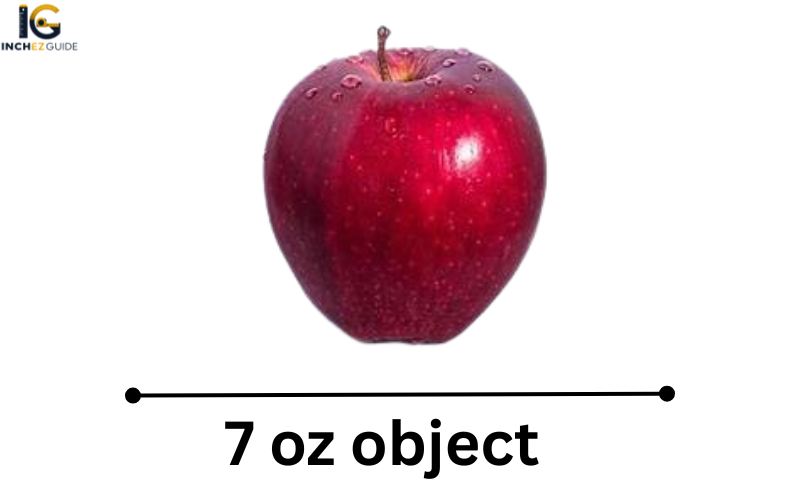
A large apple is one of the closest and easiest comparisons to understand 7 ounces.
Many apples sold in grocery stores weigh between 6 and 8 ounces depending on the variety. Large apples such as Honeycrisp, Fuji, or Gala often fall very close to the 7-ounce range.
If you’ve ever packed a large apple in your lunch or held one while shopping, you’ve already experienced something close to 7 ounces. The weight feels noticeable in your hand but not heavy.
This comparison is especially useful because apples are familiar worldwide and provide an excellent visual reference. When people ask how much is 7 oz, imagining a large apple is often one of the simplest ways to understand the measurement.
2. A Baseball
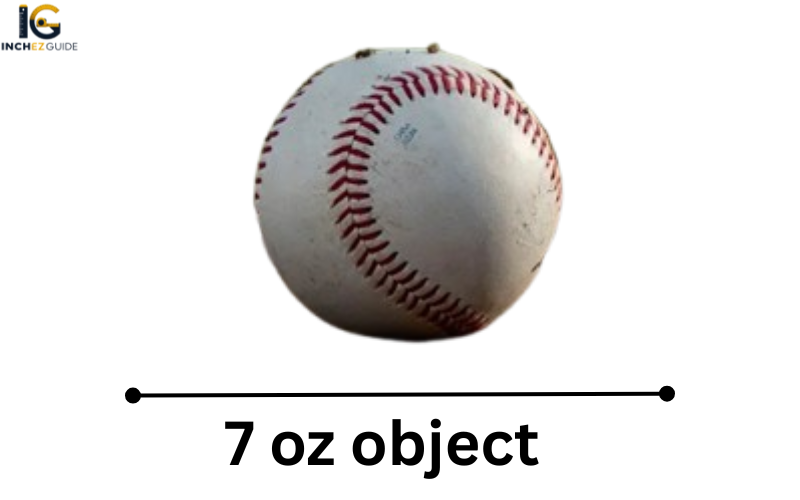
A standard baseball provides another excellent comparison.
Official baseballs typically weigh between 5 and 5.25 ounces, but some practice baseballs and weighted training balls can approach 7 ounces.
Because most people are familiar with baseballs, they serve as a useful reference point. A baseball feels dense for its size because of its compact construction.
When you hold a baseball, you immediately notice that it has enough weight to throw long distances while still fitting comfortably in one hand.
If you imagine something slightly heavier than a standard baseball, you’re very close to understanding how much is 7 oz.
3. A Full-Size Bar Of Soap
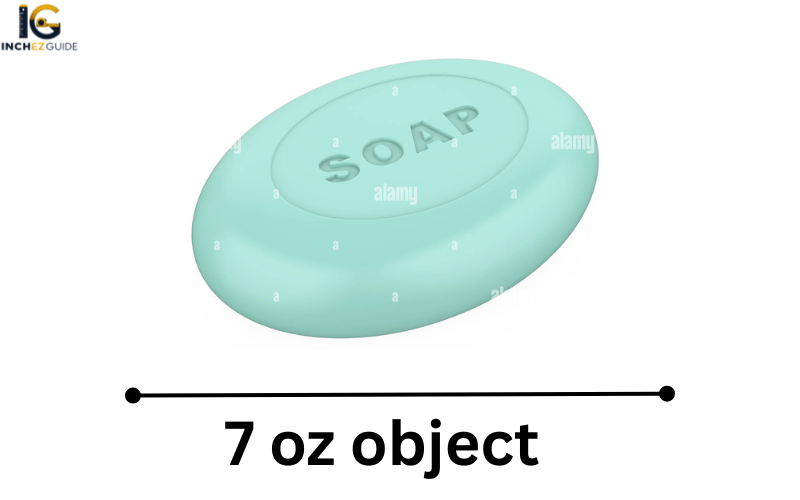
Many full-size bars of soap weigh close to 7 ounces when new.
This makes soap one of the most practical household examples because it is an item most people use regularly. Before a bar begins shrinking through daily use, its original weight often falls within the 6-to-8-ounce range.
The weight of a fresh soap bar feels solid and balanced in your hand. It is neither extremely light nor particularly heavy.
Because soap is found in nearly every home, it provides a convenient way to visualize 7 ounces without needing special measuring equipment.
4. A Small Can Of Tuna
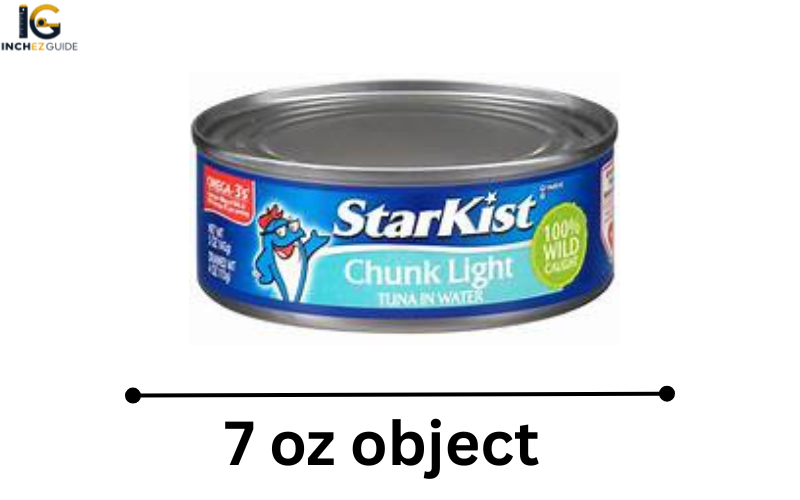
Many canned tuna products weigh around 7 ounces including their contents.
Food cans are excellent weight references because manufacturers produce them in standard sizes. If you’ve ever picked up a can of tuna while grocery shopping, you’ve likely held something very close to 7 ounces.
The compact shape of the can makes the weight feel surprisingly dense. Even though it is small, the contents give it a noticeable heft.
This example helps explain why 7 ounces often feels heavier than people expect when first learning about ounce measurements.
5. Two Decks Of Playing Cards
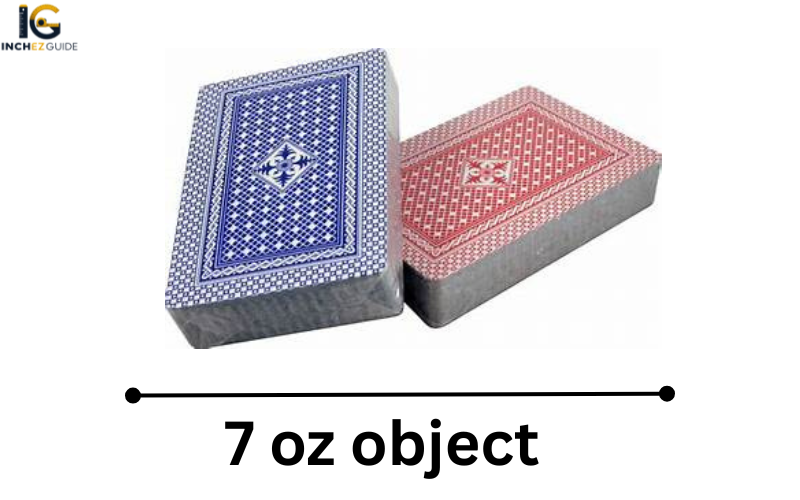
A single deck of playing cards usually weighs around 3.5 ounces.
When you place two decks together, the combined weight comes very close to 7 ounces.
This comparison is useful because playing cards are easy to imagine. Most people have handled them at some point, whether for card games, magic tricks, or family gatherings.
Two decks stacked together create a compact object that closely represents the feel and weight of 7 ounces.
6. A Medium-Sized Avocado
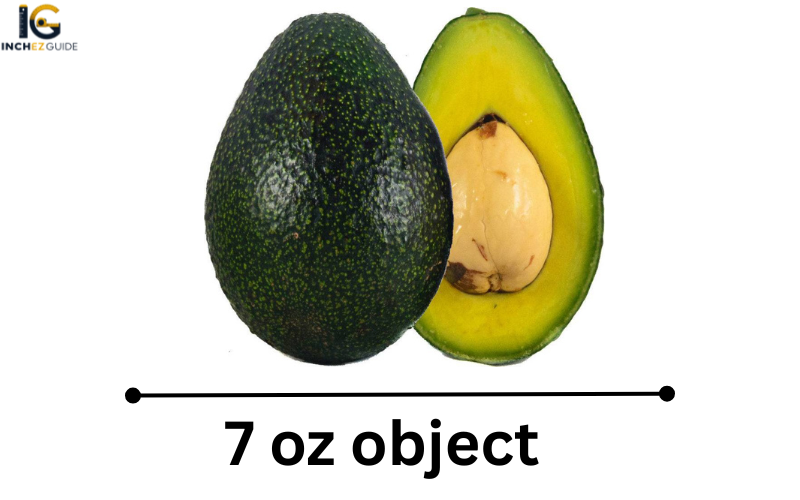
A medium avocado is another common food item that often weighs close to 7 ounces.
Different varieties vary in size, but many avocados found in grocery stores fall near this weight range.
Because avocados contain a large seed and dense flesh, they feel heavier than many fruits of similar size.
If you’ve ever held a ripe avocado while preparing a meal, you’ve already experienced a useful example of what 7 ounces feels like.
Food comparisons like this are particularly helpful because they connect measurements to everyday experiences.
7. A Smartphone With A Protective Case
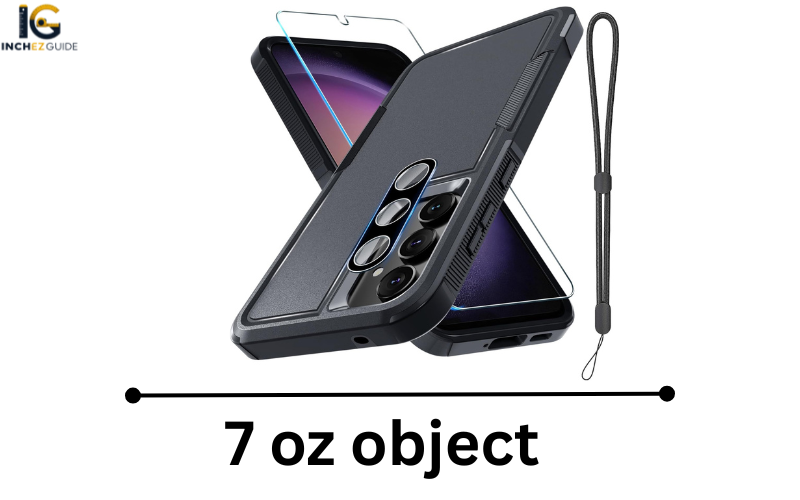
Modern smartphones continue to become larger and heavier.
While many phones alone weigh less than 7 ounces, adding a durable protective case often brings the total weight very close to this amount.
If you carry a larger smartphone daily, there’s a good chance you’re already familiar with the feel of approximately 7 ounces.
This comparison is especially useful because people interact with their phones constantly. The next time you hold your device, think about how much is 7 oz—you may already have the answer in your pocket.
8. A Small Jar Of Baby Food
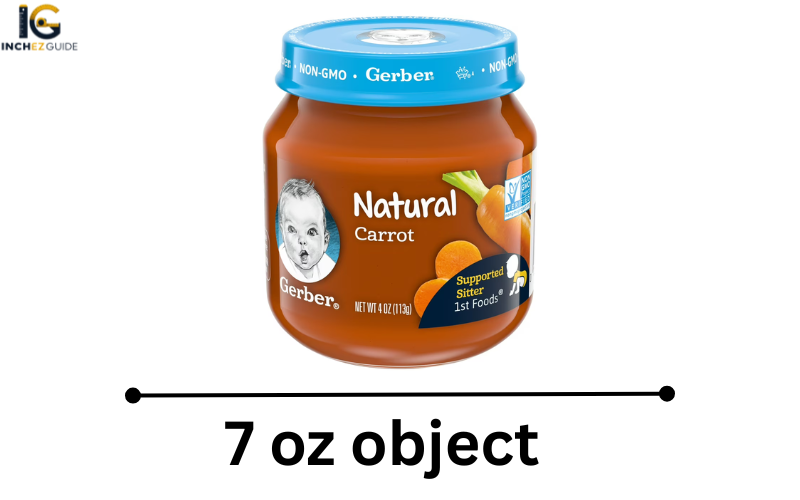
Many small glass jars of baby food weigh approximately 7 ounces when full.
These jars are manufactured in standard sizes, making them reliable references for understanding weight.
Although the jar appears small, the combination of glass and food creates a surprisingly solid feel. This demonstrates how weight can sometimes be deceptive based on an object’s size.
For parents and caregivers, this example provides another familiar way to visualize 7 ounces.
Why Understanding 7 Oz Is Important
Knowing how much is 7 oz can be useful in many everyday situations.
Cooking And Baking
Recipes frequently use ounce measurements.
Understanding what 7 ounces looks like can help you estimate ingredients when a kitchen scale isn’t available.
Online Shopping
Many products list their weight in ounces.
Knowing how much 7 ounces feels can help you understand product specifications before making a purchase.
Nutrition Tracking
People monitoring food intake often measure portions in ounces.
Understanding common ounce weights makes portion control easier.
Shipping And Mailing
Shipping companies often calculate costs based on package weight.
Knowing what 7 ounces feels like helps estimate postage more accurately.
7 Oz Conversion Chart
Many countries use metric measurements instead of ounces.
Here is a quick conversion chart.
| Ounces | Grams |
| 1 oz | 28.35 g |
| 2 oz | 56.70 g |
| 4 oz | 113.40 g |
| 7 oz | 198.45 g |
| 8 oz | 226.80 g |
| 16 oz | 453.59 g |
This formula allows you to convert ounces into grams quickly and accurately.
Is 7 Oz Close To Half A Pound?
Yes, it is very close.
A pound contains 16 ounces.
Half a pound equals 8 ounces.
Since 7 ounces is only one ounce less than half a pound, the difference is relatively small.
This relationship makes it easier to estimate 7 ounces when comparing larger weights.
Common Foods That Weigh About 7 Oz
Many foods naturally fall within the 7-ounce range.
Examples include:
- Large apples
- Medium avocados
- Chicken breast portions
- Salmon fillets
- Greek yogurt containers
- Ground beef servings
- Canned tuna products
- Fresh mozzarella balls
These examples make food-related weight estimates much easier.
How To Measure 7 Oz Without A Scale
Although a scale is always the most accurate option, there are a few practical ways to estimate 7 ounces.
Compare With Familiar Objects
Use examples such as:
- A large apple
- A smartphone with a case
- A tuna can
- Two decks of playing cards
Check Product Labels
Food packaging often displays exact weights.
Comparing products can improve your ability to estimate ounces accurately.
Use Measuring Experience
Over time, handling common objects helps build a natural understanding of weight.
Many cooks and bakers develop surprisingly accurate weight estimates through practice alone.
Common Mistakes When Measuring Ounces
Confusing Ounces With Fluid Ounces
One of the most common mistakes is mixing up weight ounces and fluid ounces.
Weight ounces measure mass, while fluid ounces measure volume.
They are not always equivalent.
Ignoring Packaging Weight
Containers can significantly affect total weight.
Always determine whether a label refers to net weight or total package weight.
Assuming Similar-Sized Objects Weigh The Same
Two objects of the same size can have very different weights depending on their material and density.
FAQs
How much is 7 oz in grams?
7 ounces equals approximately 198.45 grams.
Is 7 oz heavy?
No. Seven ounces is considered relatively light and is slightly less than half a pound.
What household item weighs about 7 oz?
A large apple, bar of soap, or small can of tuna are common examples.
How much is 7 oz in pounds?
7 ounces equals 0.4375 pounds.
Can I estimate 7 oz without a scale?
Yes. Comparing it to familiar objects such as a smartphone, apple, or tuna can can provide a reasonable estimate.
See Also: How Much Is 6 Oz
Conclusion
Understanding how much is 7 oz becomes much easier when you compare it to everyday objects. Rather than focusing only on numbers, visual references such as a large apple, a smartphone with a protective case, a small can of tuna, or two decks of playing cards help create a clearer picture of this weight.
Whether you’re cooking, shopping, mailing packages, or tracking food portions, knowing what 7 ounces looks and feels like can make measurements far easier to understand. By using the real-life comparisons and conversion information in this guide, you’ll be able to estimate and recognize 7 ounces with much greater confidence.