
Have you ever looked at a nutrition label, recipe, package, or product description and wondered, how much is 1 oz? While an ounce is one of the most commonly used units of weight, many people find it difficult to visualize without using a scale.
The good news is that understanding 1 oz becomes much easier when you compare it to familiar objects you see every day. Whether you’re cooking, baking, mailing packages, tracking food portions, or shopping online, knowing the weight of 1 ounce can help you make better decisions.
An ounce is a relatively small unit of weight, but it plays a huge role in daily life. From food products and snacks to jewelry and shipping labels, ounces are used almost everywhere.
In this guide, you’ll learn exactly how much 1 oz weighs, see real-life examples, discover practical comparisons, understand common conversions, and find out how to estimate an ounce without a scale.
What Does 1 Oz Mean?
An ounce, abbreviated as “oz,” is a unit of weight in the imperial and United States customary systems. It is commonly used for measuring lightweight items and ingredients.
People regularly use ounces to measure:
- Food portions
- Cooking ingredients
- Jewelry
- Precious metals
- Small packages
- Coffee beans
- Protein supplements
- Snacks
One ounce may seem like a tiny amount, but it is a very important measurement in everyday life.
An ounce equals:
- 28.35 grams
- 0.0625 pounds
- 437.5 grains
Because ounces are used so frequently, learning how much 1 oz weighs can save time and improve measurement accuracy.
How Much Is 1 Oz Visually?
Numbers alone do not always help people understand weight. Most people can picture a ruler when someone mentions an inch, but weight is harder to imagine.
That is why comparing 1 ounce to real objects is often the best approach.
Think about a slice of bread, a handful of almonds, or a AA battery. These familiar items provide a practical reference that makes understanding ounces much easier.
The following examples will help you build a strong visual understanding of how much 1 oz really is.
8 Common Objects That Weigh About 1 Oz
1. A Slice Of Bread
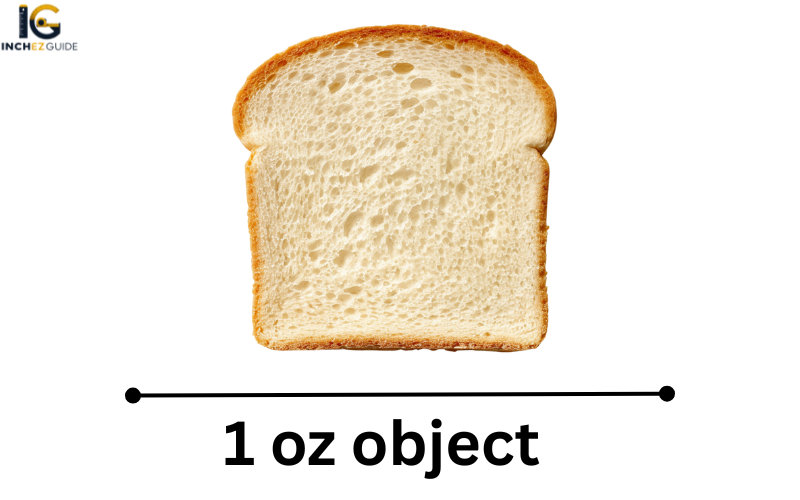
One of the easiest ways to understand an ounce is by thinking about a slice of sandwich bread.
Most standard slices of bread weigh close to 1 ounce. While artisan breads and thick-cut varieties may weigh more, regular sandwich bread provides a useful reference point.
Since bread is found in most homes, this comparison is both simple and practical.
2. A Large Pencil
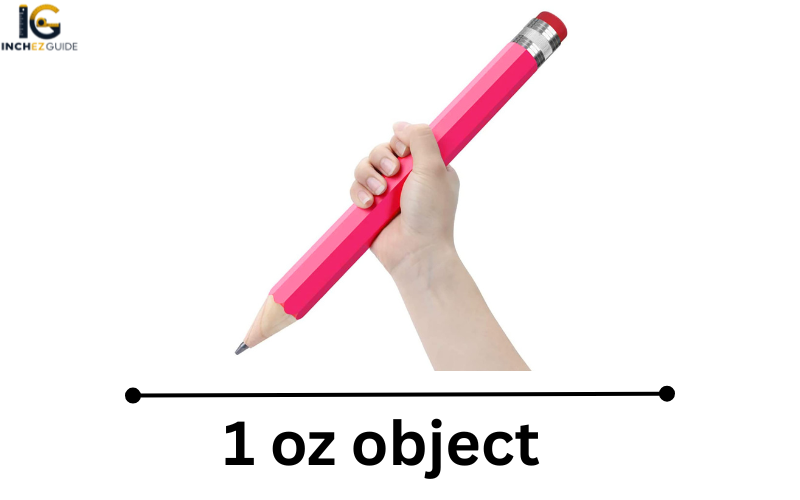
A standard wooden pencil weighs approximately 1 ounce.
Although the exact weight depends on the pencil’s size and materials, most traditional pencils are surprisingly close to this measurement.
Students, teachers, and office workers can use this comparison as a quick visual guide.
3. A AA Battery
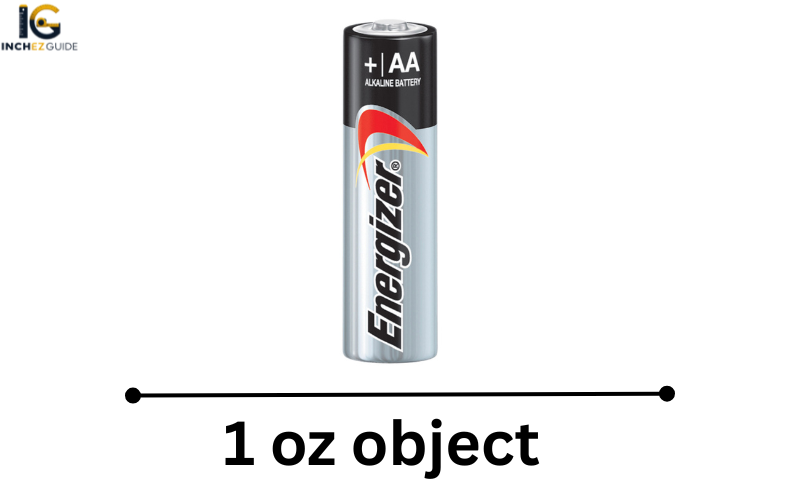
Many alkaline AA batteries weigh between 0.8 and 1 ounce.
Because batteries are common household items, they provide one of the most reliable ways to estimate the weight of an ounce.
If you have ever held a AA battery, you already have a good sense of what 1 oz feels like.
4. A Small Handful Of Almonds
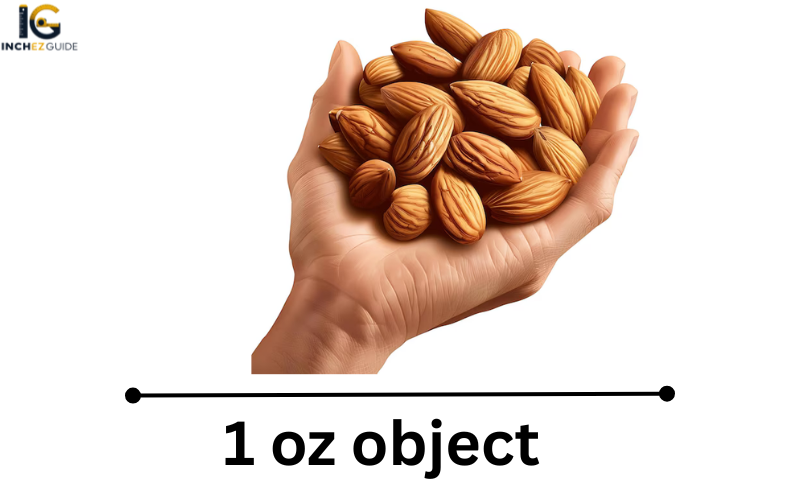
Nutrition labels often list almonds by weight.
Approximately 23 almonds weigh about 1 ounce, making them one of the most widely recognized ounce references.
This comparison is especially useful for people tracking calories, portion sizes, or healthy eating habits.
5. Eight To Ten Sheets Of Printer Paper
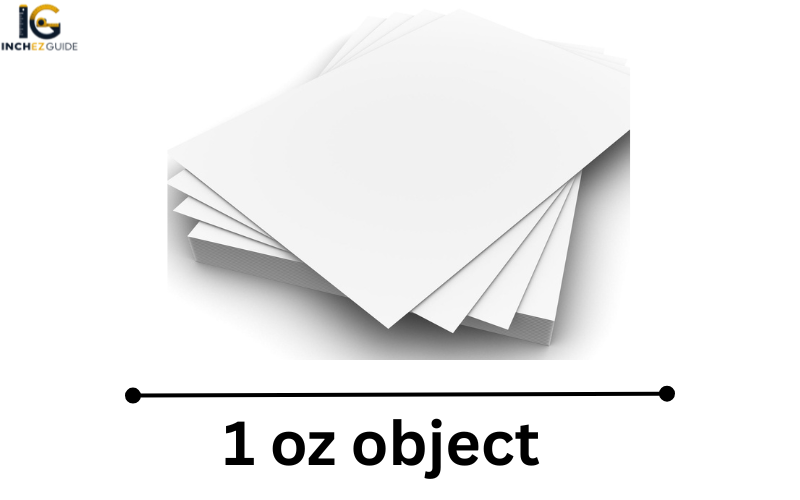
A single sheet of standard printer paper weighs roughly one-tenth of an ounce.
When you stack eight to ten sheets together, the total weight becomes close to 1 ounce.
Office workers can easily use paper as a convenient weight reference.
6. A Standard Letter
A typical business letter containing a few sheets of paper often weighs about 1 ounce.
Postal services use ounce measurements when calculating mailing rates, which is why understanding ounce weight is helpful when sending letters.
7. A Compact Disc (CD)
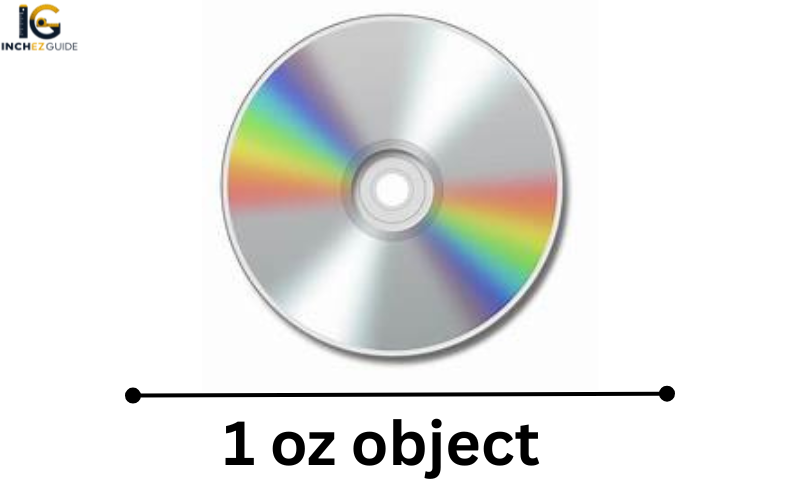
Although CDs are not as common today as they once were, a standard compact disc weighs roughly 1 ounce.
This makes CDs a useful reference object for understanding small weights.
8. Twenty-Eight Paper Clips
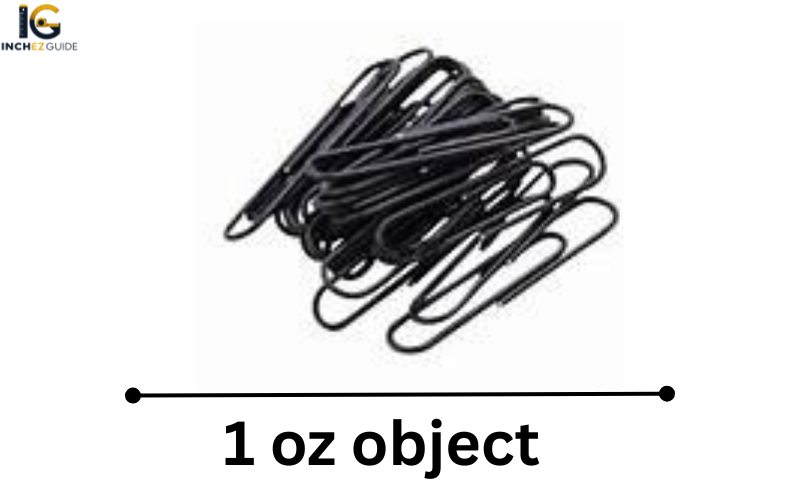
A standard paper clip weighs approximately 1 gram.
Since 28.35 grams equals 1 ounce, about 28 paper clips weigh roughly 1 ounce.
This comparison is particularly useful in office environments.
Why Understanding 1 Oz Is Important
Knowing how much 1 oz weighs can be surprisingly helpful in everyday life.
Cooking And Baking
Recipes often use ounces to measure ingredients.
Understanding ounce measurements helps ensure recipes turn out as intended.
Whether you are measuring chocolate chips, cheese, butter, or spices, knowing what an ounce looks like improves cooking accuracy.
Portion Control
Many nutrition plans rely on ounce-based serving sizes.
For example:
- 1 ounce of nuts
- 1 ounce of cheese
- 1 ounce of meat
Learning to estimate an ounce can help you manage portions more effectively.
Online Shopping
Product descriptions often include weight information.
Understanding ounces can help you avoid purchasing items that are lighter or heavier than expected.
Mailing Packages
Shipping costs are frequently based on weight.
Knowing how much 1 ounce weighs helps estimate postage expenses more accurately.
Precious Metals
Gold and silver are often priced and sold by the ounce.
Investors and collectors benefit from understanding ounce measurements when evaluating purchases.
How To Estimate 1 Oz Without A Scale
You do not always need a digital scale to estimate weight.
Several common objects can help.
Compare It To Bread
A slice of bread is one of the simplest ounce references available.
Think About A Battery
A AA battery feels very close to an ounce.
Use Almonds
A serving of about 23 almonds provides another useful estimate.
Picture A Stack Of Paper
Eight to ten sheets of printer paper weigh approximately 1 ounce.
These methods are not perfectly accurate but work well for everyday situations.
Ounce To Gram Conversion Chart
Many countries use grams rather than ounces.
Understanding conversions makes international recipes and measurements much easier.
| Ounces | Grams |
| 1 oz | 28.35 g |
| 2 oz | 56.7 g |
| 3 oz | 85.05 g |
| 4 oz | 113.4 g |
| 5 oz | 141.75 g |
| 8 oz | 226.8 g |
| 16 oz | 453.6 g |
This simple formula allows you to convert ounces into grams quickly.
How Much Is 1 Oz Compared To A Pound?
Many people confuse ounces and pounds because both units measure weight.
A pound is much larger than an ounce.
There are:
This means it takes sixteen 1-ounce objects to equal one pound.
Understanding this relationship helps when working with larger measurements.
Dry Ounces Vs Fluid Ounces
One of the most common sources of confusion is the difference between dry ounces and fluid ounces.
Dry Ounces
Dry ounces measure weight.
Examples include:
- Cheese
- Meat
- Flour
- Nuts
- Chocolate
Fluid Ounces
Fluid ounces measure volume.
Examples include:
- Water
- Juice
- Milk
- Cooking oil
Even though both units use the word “ounce,” they measure completely different things.
Understanding the difference prevents measurement mistakes.
Common Foods Measured In Ounces
Food manufacturers often use ounces because they provide a convenient serving size.
Common foods measured in ounces include:
- Cheese
- Nuts
- Chocolate
- Coffee beans
- Deli meats
- Protein powders
- Snack foods
Learning ounce measurements can help you understand nutrition labels more accurately.
Industries That Commonly Use Ounces
Ounces are used in many industries around the world.
Food Industry
Restaurants and food manufacturers frequently use ounce measurements for portions.
Fitness Industry
Protein servings and supplements are often measured in ounces.
Shipping Industry
Postal services calculate package rates using ounces.
Jewelry Industry
Precious metals are commonly bought and sold by the ounce.
Pharmaceutical Industry
Certain products and ingredients may use ounce-based measurements.
How Heavy Does 1 Oz Feel?
An ounce feels surprisingly light.
Many people expect it to weigh more than it actually does.
If you hold:
- A slice of bread
- A AA battery
- A handful of almonds
You are holding something very close to an ounce.
This light weight explains why ounces are ideal for measuring smaller products and ingredients.
Easy Tricks To Remember 1 Oz
The easiest way to remember ounce weight is by associating it with familiar objects.
Think of:
- A slice of bread
- A AA battery
- A handful of almonds
- A compact disc
- A stack of paper
These references make estimating ounces much easier in daily life.
Common Mistakes When Estimating Ounces
People often make errors when visualizing weight.
Confusing Size With Weight
Large objects are not always heavier.
A large plastic object may weigh less than a small metal object.
Forgetting Material Density
Materials have different densities.
Metal, wood, plastic, and fabric can vary greatly in weight.
Mixing Weight And Volume
An ounce of water and an ounce of nuts weigh the same but occupy different amounts of space.
Understanding this distinction helps avoid confusion.
Professional Tools Used To Measure Ounces
When precise measurements are required, professionals use specialized equipment.
Common tools include:
- Digital kitchen scales
- Postal scales
- Laboratory balances
- Jewelry scales
These devices provide accurate ounce measurements for professional applications.
Fun Facts About Ounces
- The abbreviation for ounce is “oz.”
- There are 16 ounces in a pound.
- Gold is often sold by the ounce.
- Nutrition labels commonly use ounces.
- Shipping services frequently calculate costs using ounce measurements.
- Many recipes rely on ounces for ingredient accuracy.
FAQs
How much is 1 oz in grams?
One ounce equals exactly 28.35 grams.
What object weighs about 1 oz?
A slice of bread is one of the most common examples of an object that weighs about 1 ounce.
How many almonds are in 1 oz?
Approximately 23 almonds weigh about 1 ounce.
Is 1 oz the same as 1 fluid ounce?
No. One measures weight, while the other measures volume.
How many ounces are in a pound?
There are 16 ounces in one pound.
Why are ounces commonly used?
Ounces provide a convenient way to measure lightweight items such as food, ingredients, jewelry, and packages.
See Also: How Long Is 300 mm
Conclusion
Understanding how much 1 oz weighs becomes much easier when you compare it with everyday objects. From a slice of bread and a AA battery to almonds, paper clips, and compact discs, there are many practical ways to visualize an ounce without using a scale.
Whether you are cooking, tracking food portions, mailing packages, shopping online, or buying precious metals, knowing the weight of 1 ounce can help you make more informed decisions.
By using the examples, comparisons, and conversion charts in this guide, you can confidently recognize and estimate 1 oz in everyday life.