
Have you ever looked at a recipe, food package, product label, or shipping requirement and wondered exactly how much 6 oz is? You’re not alone. Ounces are commonly used in the United States for measuring food, beverages, toiletries, and small packages, but many people find it difficult to visualize this weight without a scale.
The simple answer is that 6 ounces equals approximately 170.1 grams. However, numbers alone don’t always help us understand weight in a practical way. The easiest method is to compare 6 ounces with common everyday objects that most people already recognize.
Whether you’re cooking, tracking nutrition, mailing a package, or shopping online, understanding what 6 ounces looks and feels like can help you make more accurate decisions.
In this guide, you’ll learn:
- What 6 oz means
- How much 6 oz weighs
- 8 common objects that weigh about 6 ounces
- How to estimate 6 ounces without a scale
- Conversion charts
- Common uses for ounce measurements
- Frequently asked questions
By the end of this article, you’ll have a clear understanding of how much 6 oz really is.
What Does 6 Oz Mean?
An ounce (oz) is a unit of weight used primarily in the imperial measurement system. It is commonly used throughout the United States for measuring food portions, ingredients, personal care products, and small consumer goods.
Six ounces equals:
- 170.1 grams
- 0.375 pounds
- 0.17 kilograms
- 170,100 milligrams
Although 6 ounces is considered lightweight, it is still substantial enough to feel noticeable when held in your hand.
Many products sold in stores are packaged in 6-ounce quantities because this amount offers a practical balance between portability and usefulness.
Common items measured in ounces include:
- Meat servings
- Coffee beans
- Nuts
- Protein powders
- Candles
- Lotions
- Shampoo
- Snack foods
Understanding this measurement can make everyday tasks much easier.
How Much Is 6 Oz Visually?
Most people do not carry a scale with them throughout the day. Because of this, visual comparisons are often the easiest way to estimate weight.
Six ounces feels light enough to carry comfortably but heavy enough that you can easily feel it in your hand. It is heavier than many small accessories yet lighter than most tablets and books.
Comparing 6 ounces to familiar objects can help you quickly estimate weight without measuring equipment.
Below are eight examples that closely match 6 ounces.
8 Common Objects That Weigh About 6 Oz
1. A Large Apple
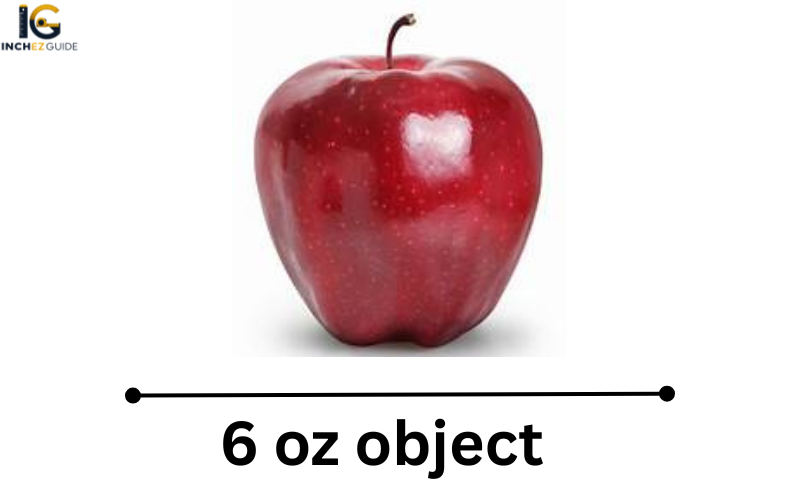
A large apple is one of the easiest ways to visualize 6 ounces.
Most medium apples weigh around 5 ounces, while larger apples often reach 6 ounces or slightly more. Because apples are available in nearly every grocery store, they provide an excellent everyday comparison.
If you’ve ever held a large Honeycrisp, Fuji, or Gala apple, you’ve already experienced something close to the weight of 6 ounces.
This comparison is particularly useful for meal planning and portion control because fruits are often weighed in ounces when calculating nutritional information.
The next time you pick up a large apple, remember that you’re holding approximately 6 ounces.
2. A Standard Hockey Puck
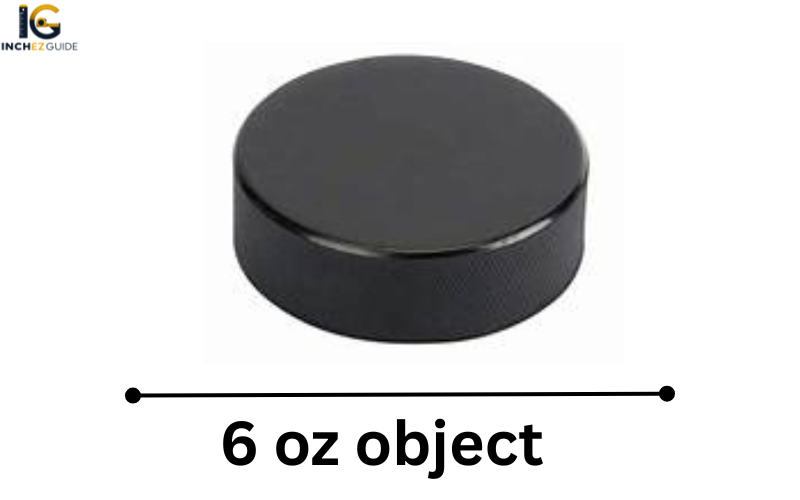
A regulation hockey puck weighs almost exactly 6 ounces.
Because sports equipment follows strict manufacturing standards, a hockey puck provides one of the most accurate real-world examples of this weight.
Many people are surprised by how heavy a hockey puck feels considering its relatively small size. This demonstrates an important principle about weight: density matters more than physical size.
The compact rubber construction gives the puck a solid, substantial feel that perfectly represents 6 ounces.
If you’ve ever held a hockey puck, you already know what 6 ounces feels like.
3. A Can Of Tuna
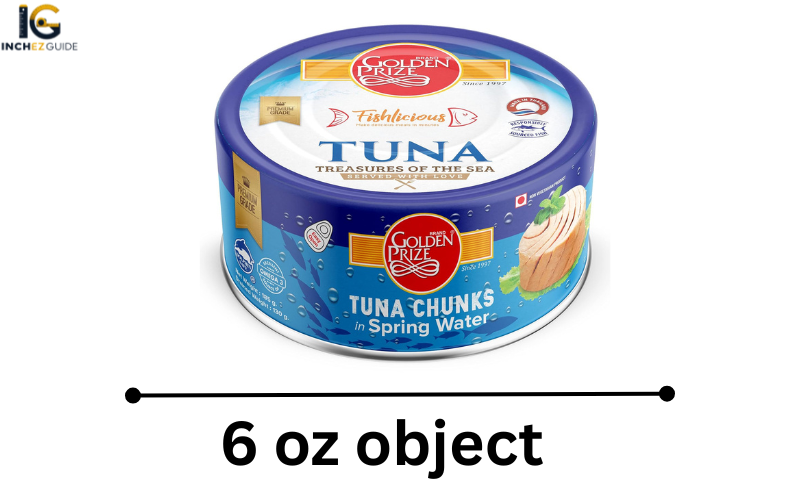
A standard can of tuna is another useful comparison.
Many canned tuna products contain approximately 5 to 6 ounces of food. Because tuna is dense and packed tightly into the can, it feels surprisingly heavy for its size.
Most kitchens contain canned foods, making this one of the most accessible examples on the list.
Whether you’re preparing a sandwich, salad, or casserole, that can of tuna provides a practical reference point for understanding 6 ounces.
4. A Medium Avocado
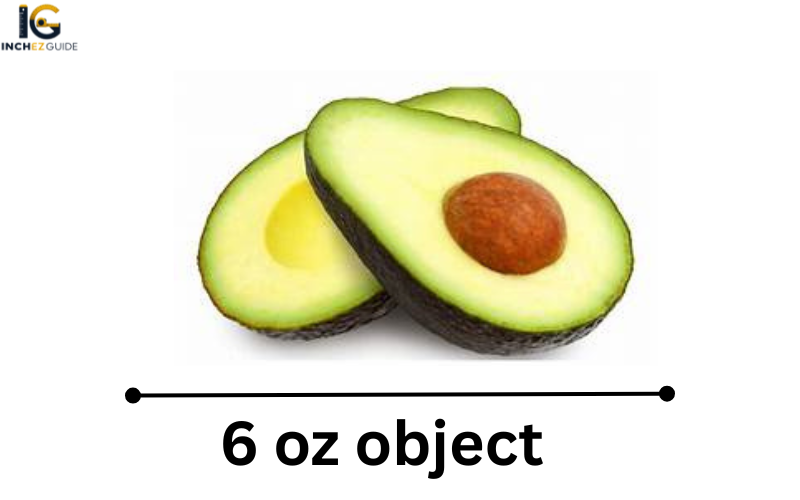
Many medium-sized avocados weigh around 6 ounces.
Their thick flesh and dense texture make them heavier than many people expect. This makes avocados an excellent visual and physical comparison.
For people who regularly buy fresh produce, avocados offer a convenient way to estimate ounces without using a scale.
Because healthy eating plans often measure ingredients by weight, understanding that an avocado weighs around 6 ounces can be surprisingly useful.
5. A Travel-Sized Sunscreen Bottle
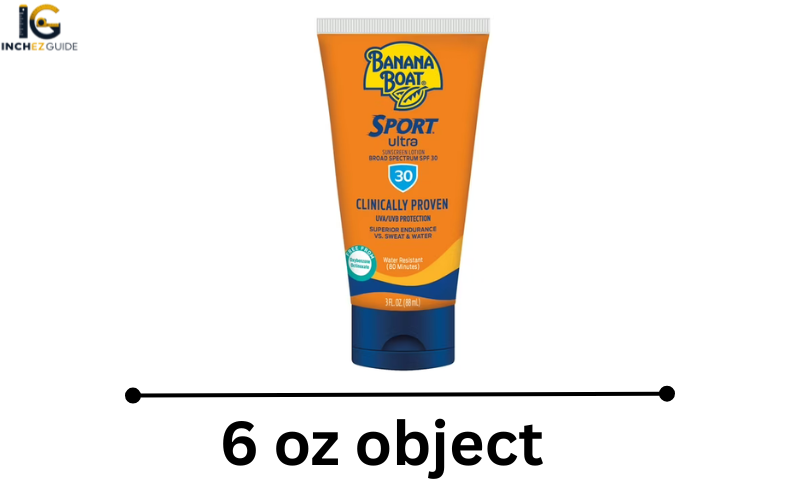
Travel-sized sunscreen bottles often contain approximately 6 ounces of product.
These bottles are designed to be portable while still providing enough sunscreen for several days of use.
If you’ve packed toiletries for a vacation, you’ve likely handled something very close to 6 ounces.
Since many liquid products are sold in ounce measurements, sunscreen bottles provide a helpful connection between volume and weight.
6. A Large Handmade Soap Bar
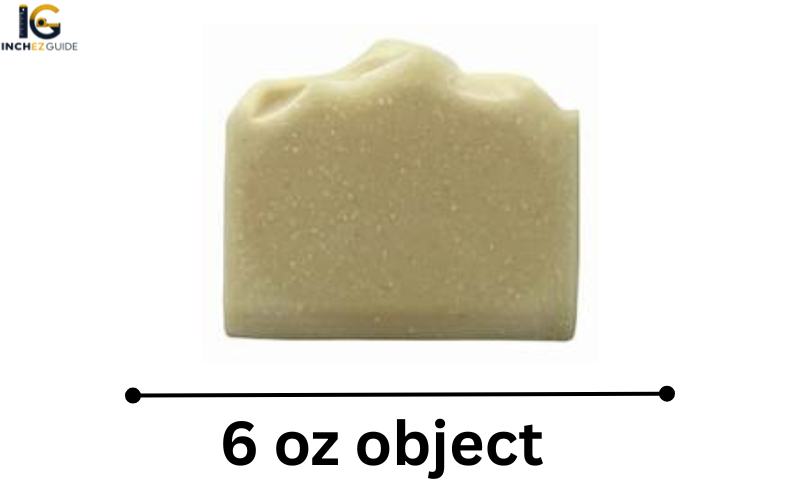
Handcrafted soap bars frequently weigh between 5 and 7 ounces.
Many artisan soap makers specifically produce bars weighing around 6 ounces, making them an excellent comparison.
These soaps are compact but dense, giving them a noticeable weight when held.
People who shop online for bath and beauty products often encounter ounce measurements, so understanding how heavy a 6-ounce soap bar feels can make online shopping easier.
7. A Stack Of 120 Sheets Of Printer Paper
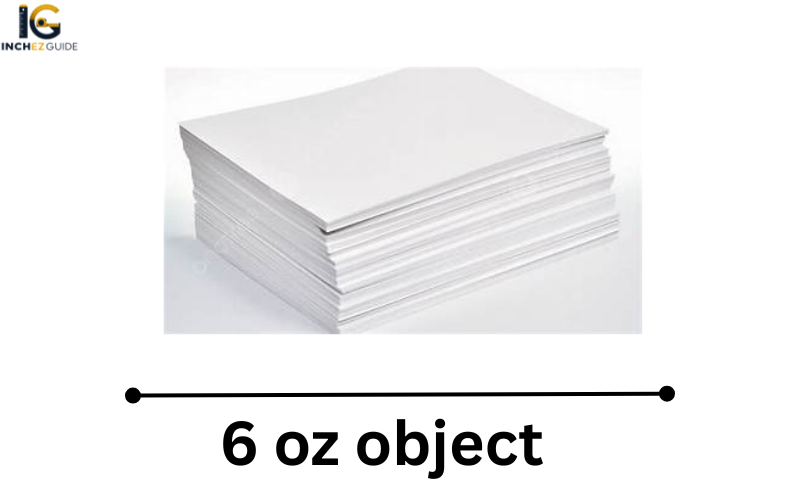
Individual sheets of paper feel almost weightless, but their combined weight adds up quickly.
A stack of approximately 120 sheets of standard printer paper weighs close to 6 ounces.
This example helps illustrate how multiple lightweight items can combine to create a noticeable amount of weight.
Students, office workers, and teachers may find this comparison especially useful because paper is readily available in most workplaces and homes.
8. A Small Bag Of Mixed Nuts
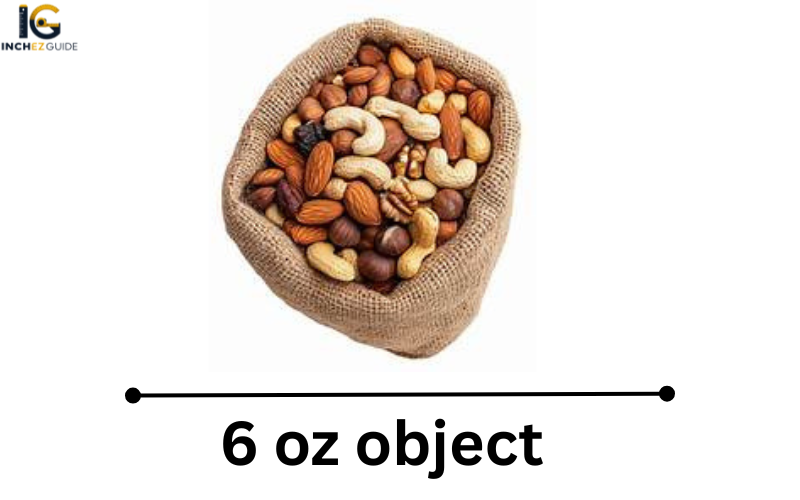
A snack-sized bag of mixed nuts often weighs around 6 ounces.
Nuts are dense foods packed with healthy fats and protein, which makes them relatively heavy for their size.
Because many nutrition labels list serving sizes in ounces, understanding the weight of a small bag of nuts can help with portion estimation.
This comparison also demonstrates that 6 ounces can occupy a surprisingly small amount of space when dealing with dense foods.
Why Understanding 6 Oz Is Important
Knowing how much 6 ounces weighs can be beneficial in many daily situations.
Cooking And Baking
Many recipes use ounces rather than cups or grams.
Understanding 6 ounces can help improve cooking accuracy and ensure better results.
Nutrition And Portion Control
Fitness plans and nutritional guidelines frequently use ounces to measure food portions.
Knowing what 6 ounces looks like can help you estimate servings more accurately.
Shipping Packages
Shipping companies calculate costs based on package weight.
Understanding how heavy 6 ounces feels can help estimate mailing expenses before visiting the post office.
Online Shopping
Many products list their weight specifications.
Understanding ounces can help you better understand product size and portability before purchasing.
How To Estimate 6 Oz Without A Scale
Although a scale provides the most accurate measurement, several practical methods can help estimate 6 ounces.
Compare It To A Hockey Puck
A regulation hockey puck weighs almost exactly 6 ounces.
Use A Large Apple
Many large apples weigh approximately 6 ounces.
Think About A Tuna Can
A can of tuna provides a reliable everyday comparison.
Use Travel-Sized Products
Many travel toiletries are sold in 6-ounce containers.
These familiar objects can help you estimate weight surprisingly well.
6 Oz To Grams Conversion Chart
Many countries use grams instead of ounces.
Here is a useful conversion chart.
| Ounces | Grams |
| 1 oz | 28.35 g |
| 2 oz | 56.7 g |
| 3 oz | 85.05 g |
| 4 oz | 113.4 g |
| 5 oz | 141.75 g |
| 6 oz | 170.1 g |
| 8 oz | 226.8 g |
| 10 oz | 283.5 g |
This chart can help when converting recipes, nutrition labels, and international measurements.
Common Things Measured In Ounces
Many products are measured in ounces.
Examples include:
- Meat portions
- Cheese
- Coffee beans
- Nuts and seeds
- Protein powder
- Candles
- Soap bars
- Beauty products
- Small packages
- Pet treats
Because ounces are so widely used, understanding them can improve everyday decision-making.
Is 6 Oz Heavy Or Light?
Six ounces is generally considered a lightweight measurement.
To better understand it:
- Heavier than a baseball
- Similar to a large apple
- Lighter than most tablets
- Easy to hold in one hand
- Common for food servings
Although it is not heavy, it is substantial enough to feel noticeable when carried.
6 Oz Compared To Other Weight Units
Here is how 6 ounces compares to other units.
| Unit | Equivalent |
| 6 oz | 170.1 grams |
| 6 oz | 0.375 pounds |
| 6 oz | 0.17 kilograms |
| 6 oz | 170,100 milligrams |
Understanding these conversions can help when comparing products from different countries.
Easy Ways To Remember 6 Oz
Remembering weight becomes easier when you connect it with familiar objects.
Here are some memory tricks:
- Think of a hockey puck
- Imagine a large apple
- Picture a tuna can
- Remember a sunscreen bottle
The more often you use these references, the easier it becomes to estimate ounces accurately.
Common Mistakes When Measuring Ounces
Confusing Weight Ounces And Fluid Ounces
Weight ounces measure mass, while fluid ounces measure volume.
These two measurements are not always the same.
Ignoring Packaging Weight
Containers and packaging can add significant weight.
Always consider whether the listed weight includes packaging.
Estimating Without Reference Objects
Using familiar objects improves accuracy when estimating ounces.
FAQs
How much is 6 oz in grams?
Six ounces equals approximately 170.1 grams.
What object weighs about 6 oz?
A regulation hockey puck is one of the most accurate examples of a 6-ounce object.
Is 6 oz heavy?
No. Six ounces is considered lightweight and can easily be held in one hand.
How can I estimate 6 oz without a scale?
You can compare it to a hockey puck, large apple, tuna can, or travel-sized sunscreen bottle.
How many pounds is 6 oz?
Six ounces equals 0.375 pounds.
Is 6 oz a common serving size?
Yes. Many meat, fish, and protein servings are measured around 6 ounces.
See Also: How Much Is 5 Oz
Conclusion
Understanding how much 6 oz is becomes much easier when you compare it with everyday objects. Whether you think of a large apple, hockey puck, tuna can, avocado, soap bar, or small bag of mixed nuts, these familiar examples provide a practical way to visualize this weight.
Knowing what 6 ounces looks and feels like can help with cooking, nutrition tracking, shopping, and shipping. Instead of relying solely on scales, you can use real-world comparisons to make quick and accurate estimates.
By using the examples, conversion charts, and practical tips in this guide, you’ll be able to recognize and estimate 6 ounces confidently in everyday life.